Integrated Practices | Comprehensive Care
|
What’s Changing
- CY 2026 Medicare PFS and OPPS/ASC policies continue rolling out
- Major CPT revisions for prostate biopsy services are now fully implemented
- Congressional momentum building on MACRA/MIPS reform, site-neutral payments, and in-office dispensing
- Continued escalation of insurer prior authorization and denial practices
- Higher Medicare Part B premiums and cost-sharing affecting patient access
- Congress finalized FY2026 HHS funding in early February, ending a brief partial shutdown and advancing limited healthcare changes.
- On February 3, the House passed the funding package containing an extension of telehealth authorities (among other important health provisions). With this action, the bill will head to the White House, where President Trump will sign it into law.
- We have been told there will be no disruption in reimbursement for telehealth and all claims will be paid retroactively.
Why It Matters
- Payment inequities and administrative burden threaten independent practice sustainability
- Delays and denials driven by insurers undermine timely, physician-directed care
- Regulatory and coding changes directly impact high-volume urology services
- Rising patient cost-sharing risks reduced utilization and worse outcomes
Action Points
- Use LUGPA CPT, PFS, and claims tools and report payer issues
- Engage lawmakers on site-neutral and in-office dispensing legislation
- Submit insurer abuse examples to support federal reform efforts
- Participate in advocacy trainings, grassroots campaigns, and upcoming fly-ins
Key Dates
- CY 2026 policies effective January 1, 2026
- Stark Law inflation-adjusted limits effective CY 2026
- Ongoing congressional activity on MACRA, IOD, and insurer reforms throughout 2026
As independent urology practices continue navigating Calendar Year (CY) 2026 policies amid persistent reimbursement pressures, regulatory complexity, and increasingly aggressive insurer behavior, LUGPA remains steadfast in its advocacy to protect practice viability, advance equitable payment policies, ensure patient access to advanced urologic therapies, and counter harmful payer practices that undermine physician-led care.
|
Join LUGPA at a DC Fly-In:
Make Your Voice Heard!
|
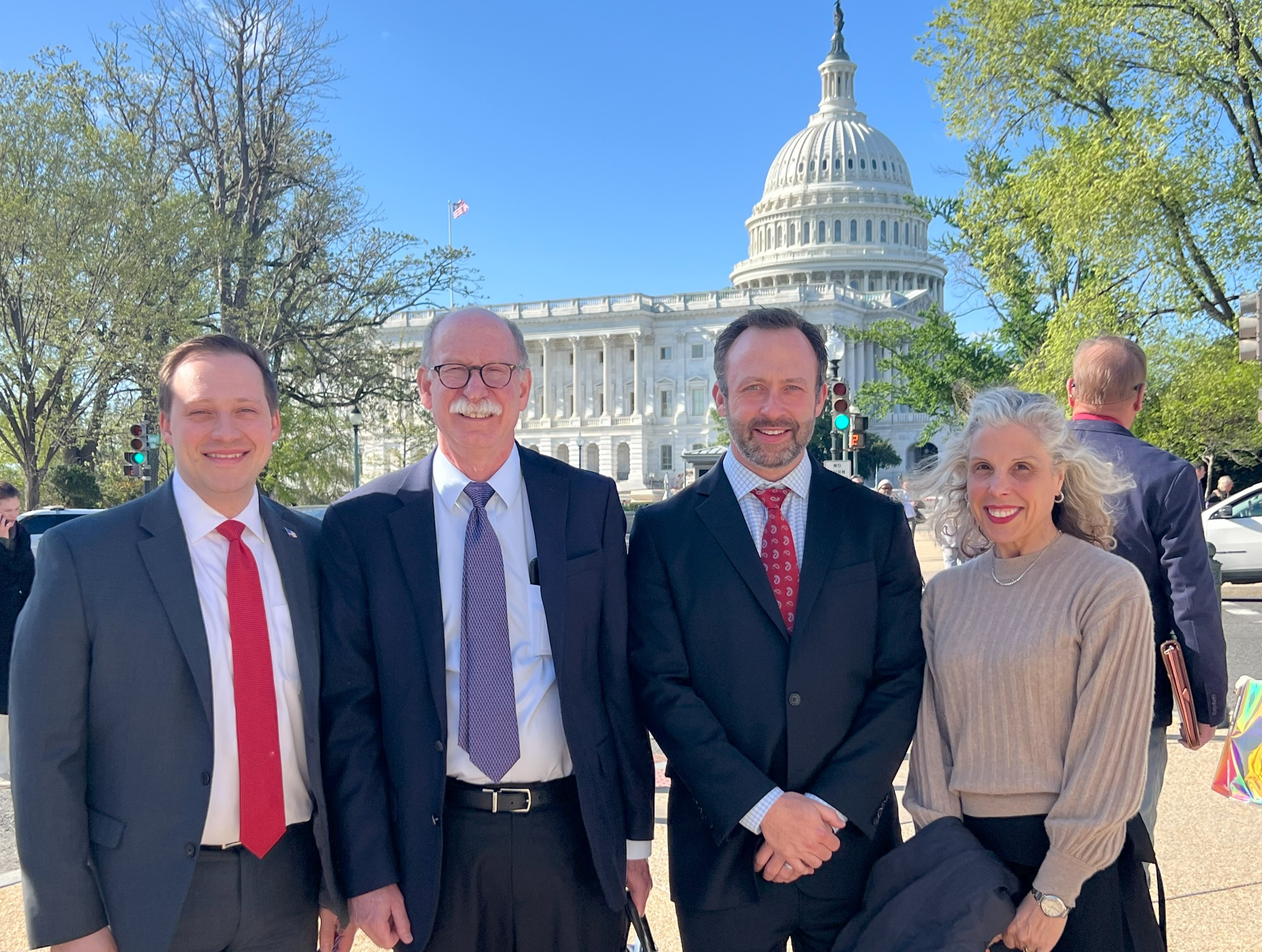
Lawmakers listen when they hear directly from physicians in their districts and states. As a leader in your community and a key player in your state’s healthcare landscape, your insights carry real weight with elected officials. LUGPA encourages your group to send a physician or senior administrator to Washington, DC, to join our Capitol Hill visits alongside the Political Affairs Committee.
2026 DC Fly-Ins:
- May 20–21, 2026
- July 21–22, 2026
- September 22–23, 2026
Past participants consistently describe these visits as eye-opening and invaluable for understanding—and influencing—the policy process. Over two days, attendees participate in multiple Congressional meetings, educating lawmakers and staff on issues impacting independent urology. Depending on committee assignments and availability, some participants may meet directly with their Senators or Representatives.
LUGPA’s Political Affairs Committee provides guidance throughout the process. A recap of a previous fly-in is available here.
Interested in attending? Contact Matthew Glans at [email protected] for more information. Space is limited, so early interest is encouraged.
|
Congress: HHS Funding Package Advances, Ends Partial Shutdown
Congress moved quickly in early February to finalize FY2026 funding for HHS and related agencies, ending a brief partial government shutdown while advancing limited healthcare policy changes.
On February 3, 2026, the House narrowly passed the Senate-amended version of H.R. 7148, the Consolidated Appropriations Act, 2026, effectively ending the partial shutdown that began January 31. The bill funds most federal agencies, including HHS, Medicare, Medicaid, and public health programs, through September 30, 2026. The Senate had approved the package on January 30 by a 71–29 vote.
While the legislation includes targeted PBM reforms and extends key Medicare telehealth flexibilities, it again relies on short-term fixes and leaves major physician payment priorities unaddressed.
What’s Included
- PBM reforms:
Delinks PBM compensation from drug list prices beginning in 2028, increases transparency in PBM-plan contracts, and requires savings to be passed through to plans.
- Telehealth extensions:
Extends Medicare telehealth flexibilities through the end of 2027, including site-of-service waivers, home-based care, and audio-only services—critical following the expiration of prior authorities in late January.
- Research and workforce funding:
Modest increases for NIH, community health centers, and healthcare workforce programs.
- Advanced APM bonus:
One-year extension of the Advanced APM bonus at 3.1%, with a reduced participation threshold.
- Medicare sequester:
Extends the 2% Medicare sequester for an additional six months.
- NPI Requirements:
Off-campus departments must have a separate National Provider Identifier (NPI) and submit a provider-based status attestation to receive Medicare payment.
What’s Missing
- No stabilization or inflationary update to the Medicare Physician Fee Schedule
- No Medicaid PBM spread pricing bans or NADAC-based reimbursement reforms
- No protections for in-office dispensing or physician-administered drugs
LUGPA Takeaway
This funding package prevents immediate disruption to federal health programs and makes incremental progress on PBM transparency and telehealth access. However, it once again sidesteps long-term solutions to physician payment instability and broader reforms needed to support independent practices.
LUGPA supports swift enactment to ensure continuity of care and federal program stability, while continuing to press Congress for comprehensive reforms that address physician reimbursement, PBM oversight, and site-neutral payment inequities. Additional updates will be shared as implementation and follow-up legislation develop.
|
Ongoing Implementation of CY 2026 Medicare PFS & OPPS/ASC Rules
CY 2026 Medicare payment policies continue to shape daily practice operations. While the finalized conversion factor adjustment offers modest payment stability, independent practices continue to face significant financial and administrative challenges.
CMS’s finalized site-neutral payment provisions for drug administration services in off-campus provider-based departments represent a meaningful step toward correcting long-standing payment inequities—an outcome aligned with LUGPA’s sustained advocacy for equal payment for equal care, regardless of site.
|
In-Office Dispensing (IOD) & Access to Advanced Therapies
LUGPA continues to intensify advocacy to protect in-office dispensing of oral anticancer and other complex therapies, which is essential for coordinated care, adherence, and patient convenience.
Advocacy efforts are focused on the bipartisan Seniors’ Access to Critical Medications Act (H.R. 2484), which would modernize the In-Office Ancillary Services Exception to allow caregivers to pick up or deliver physician-dispensed medications.
Recent actions include:
- Close coordination with bill sponsors to strengthen legislative language
- Assistance in circulating a Dear Colleague letter to build congressional support
- Grassroots mobilization of LUGPA members
- Engagement with broad physician and patient advocacy coalitions
These steps are critical to removing outdated regulatory barriers and ensuring timely access to life-saving therapies.
IOD Advocacy Follow-Up: Building on a bipartisan letter with 21 signatories urging CMS to address barriers to in-office dispensing (IOD), LUGPA is coordinating with outside counsel and advocacy partners to pursue direct engagement with CMS leadership. The team is working to request a meeting with Deputy CMS Director Kim Brandt—leveraging her deep Stark Law and regulatory experience—to elevate the issue and seek administrative action through this year’s rulemaking process.
|
MACRA/MIPS Reform & Congressional Doctors Caucus Engagement
LUGPA deepened its partnership with the bipartisan Congressional Doctors Caucus by submitting detailed comments on January 16, 2026, outlining systemic flaws in MACRA and the disproportionate burdens placed on independent practices.
LUGPA’s recommendations include:
- Reforming payment updates to reflect real practice cost growth
- Advancing physician-focused alternative payment models
- Repealing or replacing MIPS with outcomes-driven, lower-burden alternatives
- Expanding site-neutral payment policies
- Codifying Stark Law and Anti-Kickback reforms to support value-based care
LUGPA continues engaging lawmakers on specialty-specific pathways, administrative simplification, and inflation-aligned thresholds.
|
Combatting Harmful Insurer Practices & Prior Authorization Burdens
|
LUGPA signed onto a new multi-stakeholder coalition letter to congressional leadership highlighting the rapid expansion of insurer practices—such as excessive prior authorization, step therapy, and claim denials—that prioritize corporate profits over patient care.
The letter documents:
- Delayed or denied medically necessary treatment
- Escalating administrative burden on practices
- Erosion of physician clinical decision-making
- Direct harm to patient outcomes
LUGPA continues urging stronger federal oversight and meaningful reforms. Member-submitted payer examples remain critical to advancing this effort.
|
340B Accountability in Virginia
|
LUGPA joined a coalition letter urging Virginia lawmakers to oppose SB 278, which would expand 340B drug pricing benefits without meaningful transparency or accountability. The letter highlights concerns that the program’s rapid growth—particularly through extensive contract pharmacy arrangements—has allowed hospitals and third parties to retain savings rather than pass them on to low-income patients. LUGPA and other signatories called on the legislature to reject unchecked expansion and instead prioritize reforms that ensure 340B savings are used as intended: to reduce drug costs for vulnerable patients and support care in underserved communities.
|
Medicare Part B Premiums & Patient Cost-Sharing Pressures
Increases in 2026 Medicare Part B premiums, deductibles, and cost-sharing continue to strain patient affordability and threaten access to care. LUGPA supports reforms that tie future adjustments to medical inflation and utilization realities rather than shifting costs onto seniors.
Ongoing Regulatory Monitoring
LUGPA continues to monitor and engage on:
- Drug pricing and Medicare Part B access policies
- Telehealth permanency and flexibility
- PBM reforms and transparency initiatives
Coalition letters and formal comments remain focused on preserving patient access and practice sustainability.
|
Recent Policy Updates to Note
Stark Law Inflation-Adjusted Limits (Effective CY 2026)
- $535 annual non-monetary compensation
- $46 per-occurrence medical staff incidental benefits
- $6,237 limited remuneration
Practices should continue careful compliance tracking.
CMS Rural Health Transformation Program
CMS awarded $10 billion for FY 2026 as part of a $50 billion initiative. Members are encouraged to engage with state efforts to ensure urology services are included.
MedPAC CY 2027 Update Recommendation
MedPAC recommended a +0.5% physician update, acknowledging consolidation risks but falling short of structural reform. LUGPA continues pressing for stronger solutions.
2026 Medicare Cost-Sharing Increases
Higher premiums and deductibles may affect utilization. Practices should update patient communications and financial counseling accordingly.
White House “Great Healthcare Plan” Framework
The framework targets drug prices, insurance premiums, PBMs, and transparency. LUGPA supports PBM reform while monitoring potential impacts on Part B drug access.
LUGPA remains committed to advancing policies that strengthen independent urology, protect patient access, and deliver reimbursement stability. Member involvement is vital to continued success.
|
LUGPA | 875 N. Michigan Avenue, Suite 3100, Chicago, IL 60611
Catch up on LUGPA's activities and make the most of your membership
by visiting us online at www.lugpa.org
|
|

 |